A PHP Error was encountered

Severity: Notice

Message: Undefined property: stdClass::$geoplugin_countryName

Filename: views/service-template.php

Line Number: 41

Backtrace:

File: /var/www/vhosts/enjoycuba.net/httpdocs/application/views/service-template.php
Line: 41
Function: _error_handler

File: /var/www/vhosts/enjoycuba.net/httpdocs/application/controllers/Hospedaje.php
Line: 1064
Function: view

File: /var/www/vhosts/enjoycuba.net/httpdocs/application/controllers/Hospedaje.php
Line: 64
Function: descripcion_hotel

File: /var/www/vhosts/enjoycuba.net/httpdocs/index.php
Line: 315
Function: require_once

Melia Santiago de Cuba

Hotels - Melia Santiago de Cuba

About  Melia Santiago de Cuba

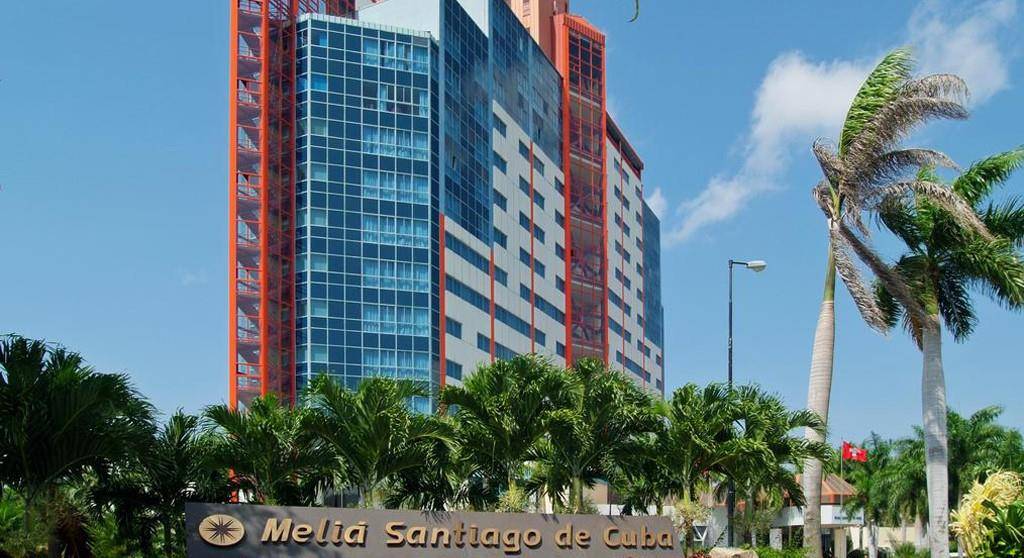
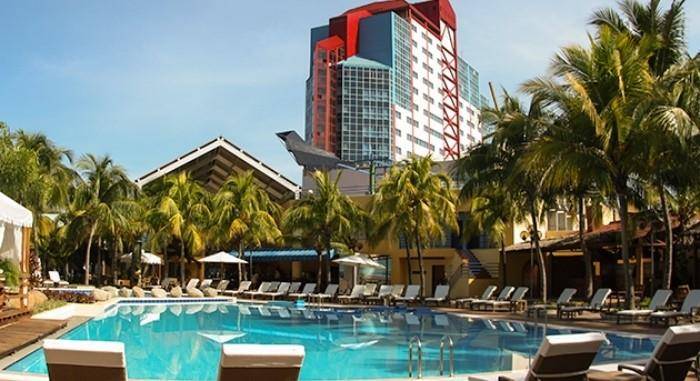
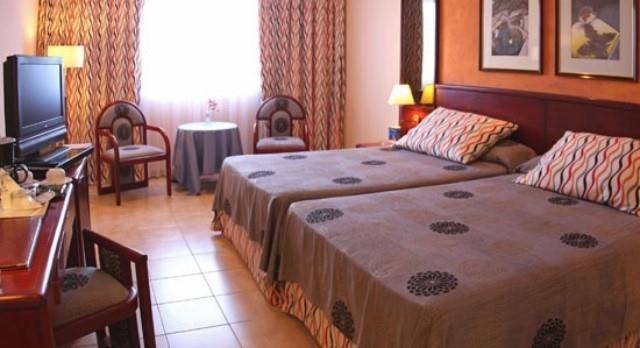
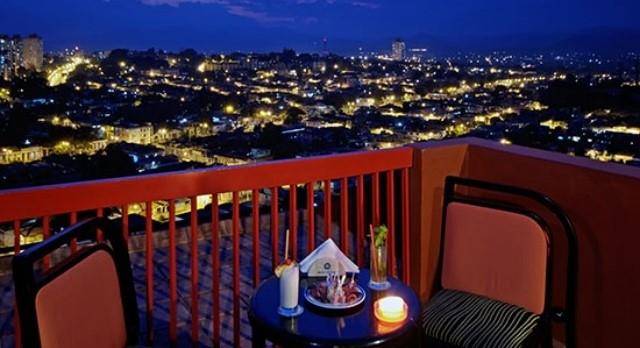
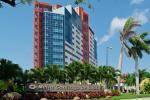
The Meliá Santiago de Cuba combines elegance and comfort for the perfect stay on the island. Enjoy the spectacular views of the city and tailor made attention on its exclusive The Level floor. 

Iconic city hotel, the only one of its kind in Santiago de Cuba

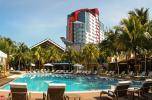
The highest standard of hotel facilities in the province

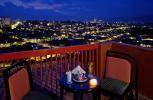
Spectacular city views with the Sierra Maestra as a backdrop

Leading hotel for business and meetings in Santiago

Nightclub with live entertainment

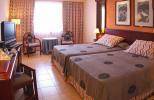
The Level Floor for our most personalised service, offering exclusivity and privacy

Iconic hotel and the only one of its kind in Santiago de Cuba with interesting history, art and authentic traditional music, making it a unique and unforgettable cultural location.

Leading hotel in the city, with the highest standard of facilities in the second largest city in Cuba.

Calle Heredia No. 260, Santiago de Cuba

Casa Natal de José María Heredia

This Spanish-colonial mansion was the birthplace of poet José María Heredia, who, because of his pro-independence writings, is considered Cuba's first national poet. Heredia died in 1839 at age 36 while exiled in Mexico. The house, now just a fraction of its original size, displays period furniture and some of the poet's works and belongings. The home's traditional interior patio is planted with trees and plants—including orange, myrtle, palm, and jasmine—associated with Heredia's verse. A marble plaque on the house's Calle Heredia facade excerpts one of the poet's most famous works, "Niágara".

Calle Félix Peña (Santo Tomás) No. 612 e/ Aguilera y Heredia, Santiago de Cuba

Casa de Diego Velázquez

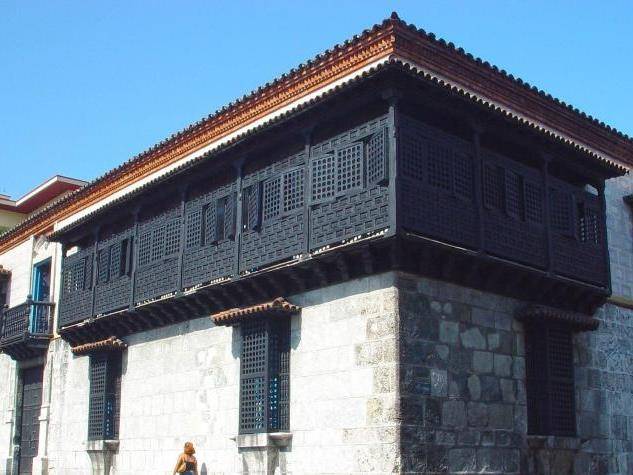
Constructed in 1516, this structure is reputed to be Cuba's oldest house one of the oldest in the Americas, although many historians now doubt that claim. Noticeable for its black-slatted balconies, it is one of Santiago's top attractions. Diego Velázquez, the Spanish conquistador who founded the city and was the island's first governor, lived upstairs. At the moment this old house works as Cuban Historical Colonial Environment's Museum, its rooms overflow with period furniture and carved woodwork and encircle­ two lovely courtyards. Inside you'll find period beds, desks, chests, and other furniture. On the first floor is a gold foundry. Memorable are the star-shape Moorish carvings on the wooden windows and balconies, and the original interior patio with its well and rain-collecting tinajón vessel. An adjacent house is filled with antiques intended to convey the French and English decorative and architectural influences—such as the radial stained glass above the courtyard doors—in the late 19th-century.
Parque Céspedes, Santiago de Cuba

Céspedes park

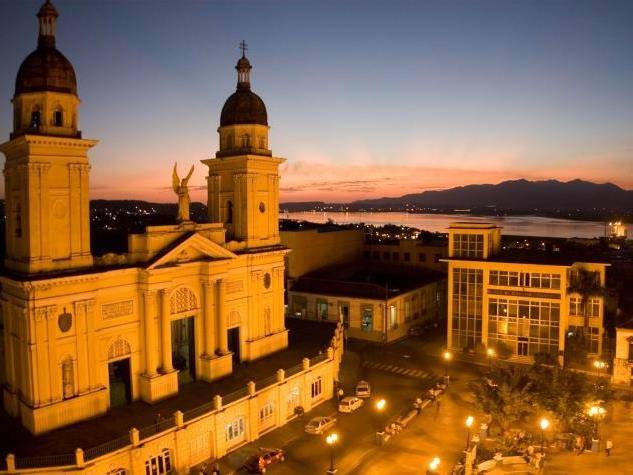
The most atmospheric part of the city is Old Santiago. Céspedes Park constitutes the political, religious, administrative and social center more important of the city. The attractive square is a genteel place with tall trees, gas lanterns and iron benches. In their perimeter were located by disposition of the Laws of Indias, the representative buildings of the power: Town Hall, Cathedral, the house of the governors and the mansions of the main families of the village. Parque Céspedes is dominated by its twin-towered cathedral. A basilica was built on this spot in 1528, but what you see was rebuilt in the early 19th century after a series of earthquakes and fires.

Ave Crombet, Reparto Santa Ifigenia, Santiago de Cuba

Santa Ifigenia Cementery

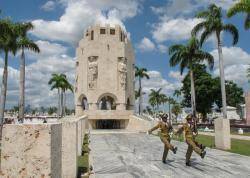
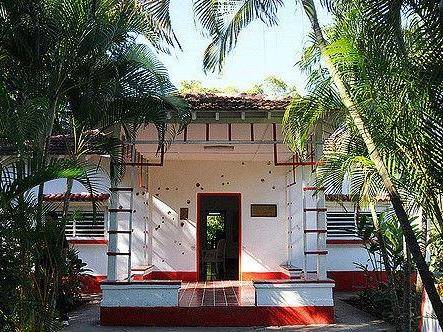
The cemetery of Santa Ifigenia was founded in February of 1868, to the northwest of the city of Santiago de Cuba, and it was declared National Monument February 7 1937 and ratified as such by the Revolutionary Government May 20 1979. In this cemetery lies some of the personalities’ rest more valiant and illustrate of the independence wars, as well as some outstanding figures of the art and the Cuban culture.  This cemetery is home to the majestic mausoleum of the National Hero from Cuba, José Martí. The structure is true to Martí's wishes (expressed in one of his poems) that he be buried below the flag of Cuba and surrounded by roses. Besides this mausoleum there is a modest vault in a stone brought from Sierra Maestra, in which lies Fidel’s rest. Other highlights include the tombs of Carlos Manuel de Céspedes, the Father of Our Homeland, and those who died in the Moncada Barracks attack and a memorial to Cuban soldiers who have fallen in battle. 

Be the first to write a review

Write a review

Title

Your review

What sort of Trip was this?

  • Business
  • Couples
  • Family
  • Friends
  • Solo

When did you travel?

Add a tip to help travelers choose a good room (Optional)

Do you have photos to share? (Optional)

Name

Email

Skedio, S.L. CIF: B66173931. # Travel Agency Licence: GC-3667 © 2025 Enjoytravel Corporate, All rights reserved